A healthy skin barrier is the foundation of calm, smooth and glowing skin. When it is working properly, your skin feels balanced, soft and comfortable. But when the barrier becomes weak or irritated, even simple products can start to burn, sting or cause unexpected breakouts.
This guide explains what skin barrier damage actually is, the most common signs, and how you can repair it step by step in a gentle and realistic way.
What Exactly Is the Skin Barrier
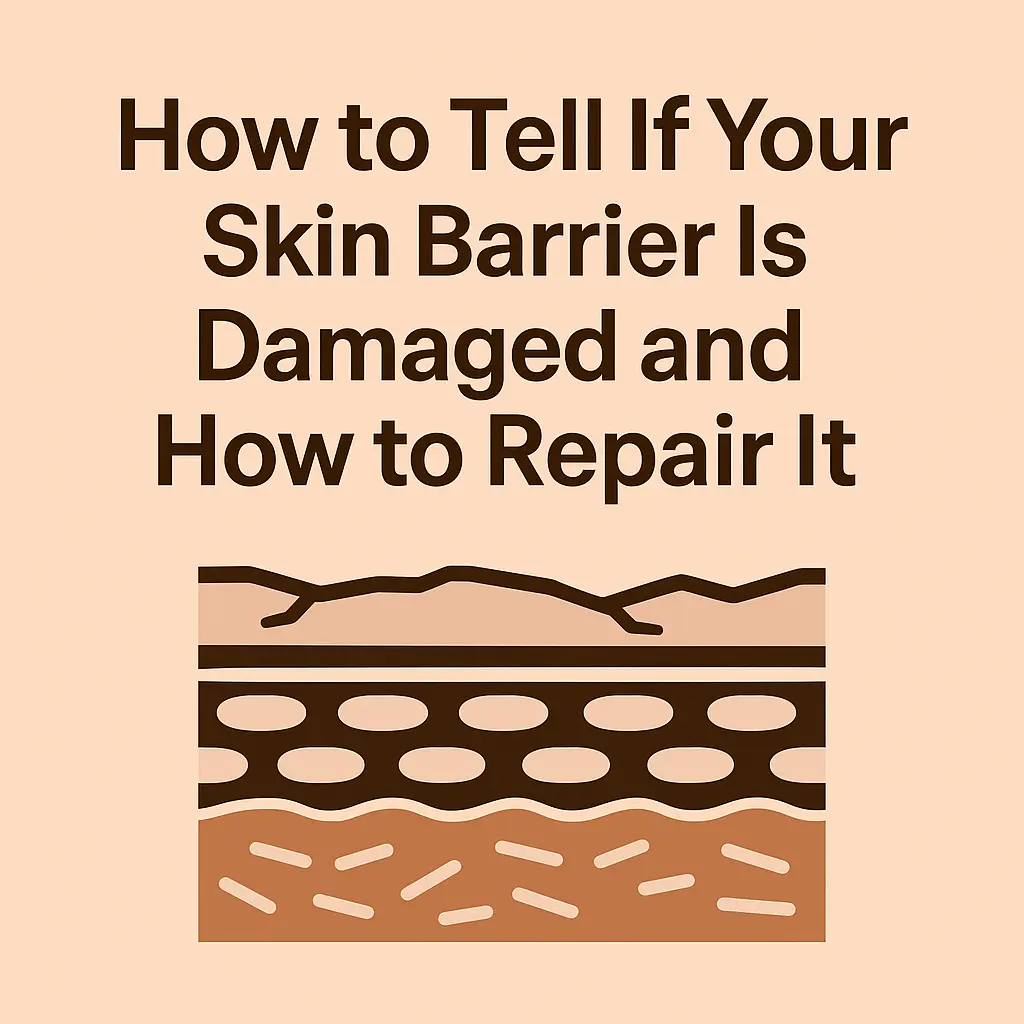
The skin barrier is the outermost layer of your skin. You can think of it as a protective shield made of skin cells, natural oils and lipids such as ceramides, cholesterol and fatty acids.
Its main responsibilities include:
- Keeping moisture inside the skin
- Protecting your skin from bacteria, pollution, dust and irritants
- Keeping the surface of the skin smooth and even
- Maintaining overall strength and resilience
When this barrier becomes damaged, the skin is no longer able to protect itself properly. This is when sensitivity, dryness and redness begin to appear.
What Causes Skin Barrier Damage
Skin barrier damage can develop slowly or it can happen suddenly after one strong product. These are the most common causes:
Over Exfoliation
Using exfoliating acids too often, applying scrubs with pressure, or combining multiple active ingredients in the same routine can strip away the natural protective layer of the skin.
Harsh Cleansers and Overwashing
Cleansers with strong foaming agents or washing your face too frequently can remove too much moisture. This makes the skin feel tight and uncomfortable after cleansing.
Weather Changes
Dry winter air, heat, humidity and dusty environments all place stress on the skin. During cold months many people experience more dryness, and during summer the heat and sweat can lead to irritation.
Using Too Many Products at the Same Time
Layering many serums, toners and active ingredients over each other often overwhelms the skin and disrupts its natural balance.
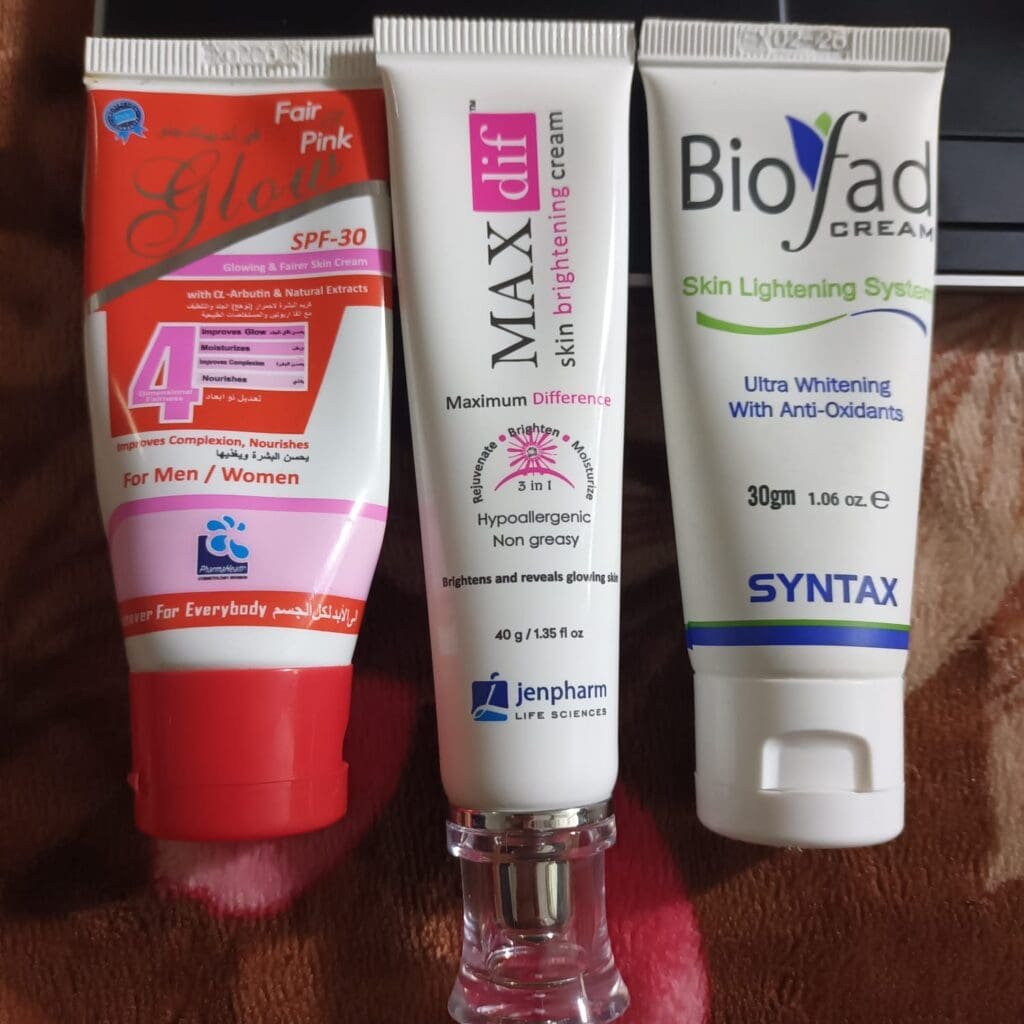
Fake or Irritating Skincare Products
Unverified or low quality skincare can cause sudden burning, redness and prolonged sensitivity. This is one of the biggest reasons behind unexpected barrier reactions.
Stress and Lack of Sleep
Stress hormones slow down skin healing and make irritation worse.
Signs That Your Skin Barrier Is Damaged
Sometimes the signs are obvious, and sometimes they develop quietly over a few weeks. Look for:
Redness or Burning
Even gentle products start to sting the skin.
Flaky or Rough Skin Texture
The skin feels uneven and looks dull because moisture is escaping too quickly.
Sudden Breakouts or Tiny Bumps
Irritation and inflammation can make the skin more prone to acne.
Tightness After Washing
If your face feels stretched or uncomfortable right after cleansing, your barrier may be weakened.
Increased Sensitivity to Products
Products that previously felt normal now start to feel too strong.
Dry Patches Around the Nose, Mouth or Cheeks
This is one of the most common signs of barrier damage.
How to Repair a Damaged Skin Barrier
The skin barrier can heal with the right approach. Most people notice improvement within two to six weeks, depending on how irritated the skin is.
Here is a gentle and effective plan:
Switch to a Gentle Cleanser
Choose a cleanser that does not make your skin feel tight or dry. Your face should feel soft and comfortable after washing.
Pause All Exfoliation for One to Two Weeks
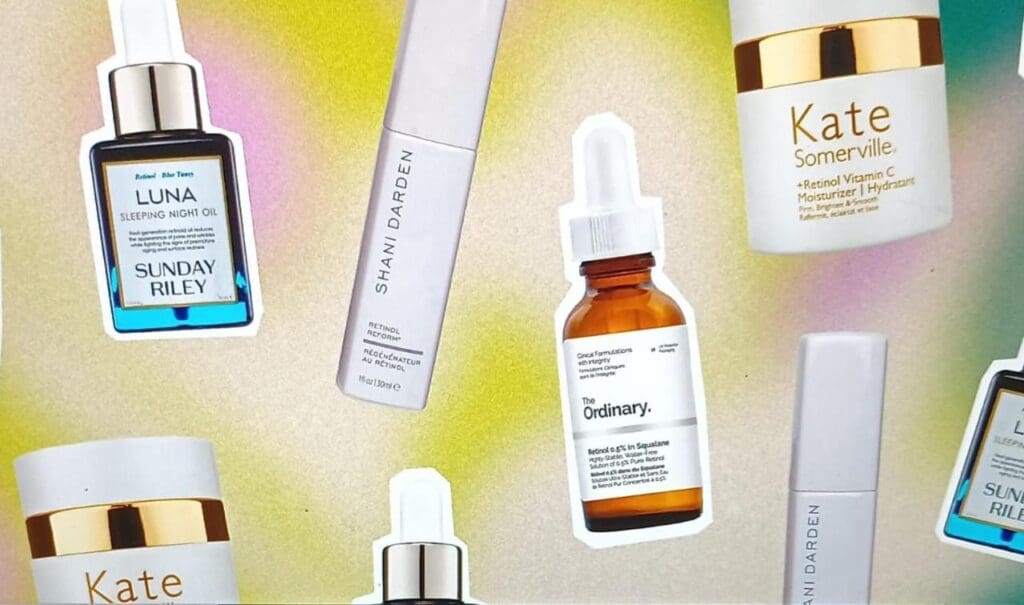
Give your skin a break from acids, scrubs, retinol and peeling solutions. Rest is essential for healing.
Use a Barrier Supporting Moisturizer
Look for moisturizers that contain ingredients such as ceramides, cholesterol, fatty acids, panthenol, hyaluronic acid, centella asiatica or niacinamide. These help your skin rebuild its natural strength.
Apply your moisturizer twice a day.
Add Calming and Hydrating Ingredients
Soothing ingredients help reduce redness and support recovery. Some helpful options are aloe vera, snail mucin, mugwort, green tea extract, panthenol and madecassoside.
Keep Your Routine Simple
For at least ten to fourteen days, use only a gentle cleanser, a hydrating serum if you really need one, a good moisturizer and sunscreen in the morning. Nothing more.
Avoid Fragrance and Essential Oils for Now
Fragrances can make irritation worse when the barrier is weak.
Apply Sunscreen Every Morning
Sun exposure slows down healing and increases sensitivity. Using sunscreen every day is one of the most important steps in repairing the skin barrier.
Tips to Prevent Barrier Damage in the Future
Once your skin heals, maintaining the barrier becomes much easier. These habits help you keep your skin healthy long term:
- Exfoliate only one or two times a week
- Avoid scrubbing or rubbing the skin harshly
- Do not mix too many active ingredients at the same time
- Patch test new products
- Adjust your routine based on the weather
- Use lukewarm water instead of hot water
- Moisturize consistently throughout the year
When You Should See a Dermatologist
It is a good idea to seek professional help if:
- Redness or burning continues for more than two to three weeks
- Your skin has swollen or painful patches
- There is excessive peeling
- Breakouts are becoming more severe and irritated
A dermatologist can guide you with prescription creams or a personalized plan.
Final Thoughts
A damaged skin barrier feels uncomfortable, but it is completely fixable. With a simpler routine, gentle ingredients and a little patience, your skin can return to a calm and smooth state. Small changes make a big difference, and once your barrier is healthy again, every product in your routine works better.

Education: University of Peshawar
Ahmad Khan holds a Master’s degree in Chemistry and has been writing about skincare for over five years. With a deep understanding of ingredients and their impact on the skin, he enjoys sharing practical, science-based skincare advice. When not writing, he loves playing with his kids.